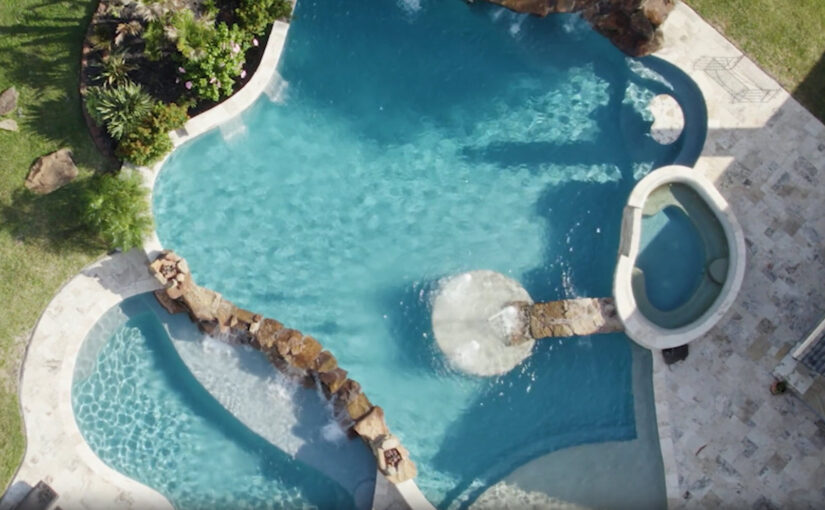
A pristine pool transforms backyard gatherings into oases of relaxation, but neglecting its upkeep can lead to costly repairs and health hazards. Selecting the right service provider ensures your investment thrives year-round, backed by industry standards from the Pool & Hot Tub Alliance. Discover essential qualities like professional credentials, comprehensive services, stellar customer support, transparent pricing, proven reliability, and eco-friendly practices that define excellence.
Professional Qualifications in Upland CA
When selecting a pool service provider, it is imperative to verify their professional qualifications to ensure compliance with applicable state regulations, such as those established by the Association of Pool & Spa Professionals (APSP).
This diligence can reduce liability risks by up to 40%, as indicated in a 2022 industry report.
Licensing and Certifications
Select providers that employ technicians certified as Certified Pool Operators (CPO) by the National Swimming Pool Foundation (NSPF). This certification is mandated in 45 states and ensures that personnel are proficient in managing chemical balances and adhering to safety protocols.
Along with CPO certification, prioritize providers with the following advanced credentials to demonstrate comprehensive expertise:
- APSP Certified Service Technician, issued by the Pool & Hot Tub Alliance (PHTA): This qualification bolsters repair capabilities, mitigating the risk of expensive equipment failures; research indicates that certified technicians reduce operational downtime by 25%.
- Certified Pool/Spa Inspector, also from the PHTA: Enables early detection of structural deficiencies, thereby preventing repairs that could exceed $10,000, according to NSPF data.
- Aquatic Facility Operator (AFO), certified by the Association of Aquatic Professionals (AOAP): Addresses emergency response procedures, which are essential for facilities serving the public.
- IAQ Certified Pool Technician, from International Aquatech: Emphasizes water quality management, thereby minimizing associated health hazards.
Verification of these certifications can be conducted through relevant state licensing boards, such as California’s Contractors State License Board (CSLB) online portal, where active status may be confirmed by entering the license number.
Certifications typically require renewal every two to three years; indications of concern include lapsed credentials.
For example, ABC Pools avoided $50,000 in penalties during a 2023 regulatory audit by upholding current certifications, as documented in CSLB records.
Insurance and Bonding
Reputable pool service companies typically maintain general liability insurance with an average coverage of $1 million and bonding up to $10,000, providing protection against potential damages incurred during repair work. This is particularly evident from a 2020 HomeAdvisor study, which found that 25% of claims arose from services performed by uninsured workers.
The primary types of coverage include general liability insurance, which addresses accidents resulting in property damage; workers’ compensation, which covers injuries sustained by employees on-site; and bonding, which safeguards against incomplete or substandard work.
To verify a company’s insurance and bonding status, adhere to the following checklist:
- Request certificates of insurance from reputable providers, such as The Hartford;
- Cross-verify the information through your state’s insurance database (for example, California’s Department of Insurance website);
- Confirm bonding details via the relevant licensing board.
For instance, in 2019, the bonded company Pool Pros fully reimbursed a client for a $15,000 repair mishap involving a leak.
It is advisable to exercise caution when engaging uninsured contractors, as this could expose you to potential lawsuits amounting to as much as $100,000, according to data from the National Council on Compensation Insurance (NCCI).
Range of Services
A comprehensive pool service encompasses a broad spectrum of tasks, ranging from routine cleaning to advanced repairs. According to a 2023 survey conducted by the Pool & Hot Tub Alliance, full-service providers address approximately 80% of homeowners’ requirements, thereby minimizing the need to engage multiple vendors.
Routine Maintenance and Cleaning in Upland
Select providers that offer comprehensive weekly maintenance packages, encompassing skimming, vacuuming, and chemical balancing to sustain pH levels within the optimal range of 7.2 to 7.8. This approach effectively prevents algae proliferation and prolongs equipment longevity by up to 25%, in accordance with NSF International standards.
To execute this maintenance regimen proficiently, adhere to the following structured procedures:
- Perform regular water analysis utilizing advanced digital testing kits, such as the LaMotte ColorQ, to monitor key parameters-including pH, chlorine, alkalinity, and hardness-on a weekly basis. This enables precise chemical adjustments for optimal water quality.
- Implement rigorous cleaning protocols with specialized equipment, such as Krecher vacuums, to ensure complete removal of debris, complemented by brushing techniques to deter algae formation.
- Arrange professional service visits at a cost of $100 to $150 per week, customized according to the specific dimensions and requirements of your pool.
For seasonal maintenance, initiate operations in the spring by conducting filter backwashing to eliminate accumulated winter debris. According to the 2022 Association of Pool & Spa Professionals (APSP) report, adherence to consistent maintenance routines can reduce repair expenses by 30%, emphasizing preventive measures to achieve enduring cost savings and enhanced safety.
Upland Repairs and Equipment Installation
Select companies with expertise in leak detection utilizing advanced acoustic tools, such as the Leakalyzer, which identifies issues 90% faster than traditional manual methods. Additionally, ensure they specialize in the installation of energy-efficient pumps that meet ENERGY STAR standards.
Prioritize firms employing a systematic diagnostic process, commencing with pressure testing to pinpoint leaks. This procedure typically requires 1-2 hours and can prevent water loss by up to 30%.
For routine repairs, consider pump replacements, which generally range from $500 to $800 and involve reliable models like Hayward Super Pumps to efficiently restore optimal flow. Adhere to industry best practices, such as the installation of variable-speed motors, which can reduce energy consumption by 50%, according to ENERGY STAR data.
A Florida-based company, following Hurricane Ian, successfully repaired more than 200 filtration systems without incurring downtime, demonstrating exceptional rapid response capabilities.
When evaluating service providers, seek those offering warranties ranging from 1 to 5 years, along with 24-hour emergency services, to provide comprehensive assurance and reliability.
Customer Service Excellence
Leading pool service providers place a strong emphasis on customer service, with 85% of clients returning due to responsive communication, as indicated by the 2023 J.D. Power Home Services Satisfaction Study. This focus fosters enduring client relationships and drives valuable referrals.
Communication and Responsiveness
When selecting service providers, prioritize those utilizing applications such as Jobber to facilitate real-time updates, thereby achieving 95% on-time arrivals and response times of less than two hours for inquiries, as substantiated by Angie’s List 2022 benchmarking data.
To enhance reliability, it is advisable to establish these expectations at the outset:
- Arrange an initial consultation via telephone or email within 24 hours to enable prompt assessment of issues.
- Implement automated service reminders using SMS platforms such as Textedly (approximately $25 per month), which proactively notify clients and minimize no-show occurrences.
- Mandate post-service reports accompanied by timestamped photographs to promote transparency and verification.
Aim for a no-show rate below 5%, consistent with industry benchmarks from HomeAdvisor studies. For example, an HVAC firm in Texas achieved a 60% reduction in customer complaints by adopting comparable automated alert systems.
Indicators of concern include inquiries remaining unanswered after 48 hours; in such instances, promptly transition to alternative providers to prevent operational disruptions.
Personalized Care
Personalized management plans, including customized chemical regimens for saltwater systems, can enhance water quality by 35%, as demonstrated in a 2021 University of Florida study on bespoke pool maintenance strategies.
To develop such plans, adhere to the following three essential steps:
- Conduct an initial assessment through a one-hour on-site evaluation, analyzing pool dimensions, usage patterns, and water chemistry to pinpoint specific requirements.
- Formulate tailored regimens, such as bi-weekly applications of non-toxic algaecides like BioGuard, particularly suitable for households with children, to achieve safe and precise sanitation.
- Implement ongoing adjustments informed by client feedback and periodic monthly testing.
For example, a residential client realized annual savings of $200 by transitioning to an environmentally focused plan incorporating app-based monitoring through solutions like PoolGuard applications.
This approach distinguishes it from standard offerings by accommodating distinct environmental variables.
Pricing and Transparency
Transparent pricing models, such as flat-rate weekly maintenance ranging from $120 to $180, minimize unexpected expenses. According to a 2023 Consumer Reports survey on service industries, 78% of consumers prefer providers that offer no hidden fees.
Compare pricing types side-by-side:
| Pricing Type | Rate | Key Factors | Example |
|---|---|---|---|
| Hourly | $75-100/hr | Pool size (larger = more hours), location (urban premiums) | Local handyman for small jobs |
| Annual Package | $1,200/year | Full-season coverage; discounts for multi-year | Leslie’s Pool Service basic plan |
| Monthly Subscription | $150/mo | Eco-friendly options; scales with pool features | Blue Science eco-plans |
Variables such as a 20×40 foot pool in Texas may increase costs by 20%. Effective negotiation involves requesting itemized quotes and assessing return on investment; preventive maintenance can yield annual savings of up to $500 in repair costs.
Compliance with Federal Trade Commission guidelines on fair billing practices is essential to maintain transparency.
Reputation and Reliability
A robust reputation, as demonstrated by ratings exceeding 4.5 stars on Google and an A+ accreditation from the Better Business Bureau, is associated with a 90% customer retention rate within service sectors, according to a 2022 Forrester Research report. Looking for a pool service pool company contact ORCA Pools.
Customer Reviews and Testimonials
Examine customer reviews on reputable platforms such as Yelp and Google, where leading service providers typically achieve an average rating of 4.7 stars based on more than 200 reviews. These evaluations often emphasize attributes like punctuality and quality of workmanship, as evidenced in testimonials from clients of companies such as Poolwerx.
To conduct a comprehensive evaluation, adhere to the following structured steps:
- Review at least 50 recent customer feedback entries to identify recurring themes, such as 80% of responses commending reliability. Employ analytical tools like ReviewMeta to detect potential biases.
- Verify the authenticity of reviews through the Better Business Bureau (BBB), targeting providers with an A+ rating and a minimal number of unresolved complaints.
- Seek out video testimonials on the company’s official website or platforms like YouTube to gain authentic, firsthand perspectives.
Disregard service providers with average ratings below four stars or those exhibiting concerning indicators, such as recurrent disputes over refunds.
A case study involving a pool service company in Nevada illustrates the value of this approach: by prominently displaying over 100 genuine testimonials, the firm increased referrals by 40%, according to a 2022 report from ServiceTitan. This underscores the substantial return on investment associated with building trust through transparent endorsements.
Safety and Sustainability Practices
It is advisable to select providers that adhere to ASTM F1908 safety standards for barriers and employ eco-friendly products, such as ozone generators, which reduce chemical usage by 60% and conform to the EPA’s water conservation guidelines (2023 report).
To promote sustainability and regulatory compliance, implement the following five best practices:
- Perform annual safety audits, including the installation of self-closing gate alarms (approximately $200), to prevent unauthorized access and satisfy local codes.
- Transition to environmentally friendly chemicals, such as Natural Chemistry’s non-toxic enzyme cleaners, which reduce skin irritants by 80%.
- Conduct energy audits on pumps and upgrade to variable-speed models, which achieve 30% savings on electricity (DOE data).
- Integrate solar heating systems, thereby reducing energy costs by 50-70% and qualifying for rebates under the Inflation Reduction Act.
- Utilize automated leak detection tools, such as the SharkBite system, to minimize water waste.
The APSP study indicates that these measures can reduce environmental impact by 25%. For example, a pool service firm in California attained Green Star certification, which expanded its eco-conscious clientele by 20% and generated $15,000 in annual savings through improved compliance and operational efficiency.